
The key to mental health is in the body
Healing doesn’t come from insight alone— it’s takes a supported nervous system.
Somatic therapy offers a gentle, grounded path toward regulation and change.

So, what even is Somatic therapy?
Somatic simply means “of the body.”
In the context of therapy, it describes the way our bodies carry our stories — the stress patterns, the protective habits, the tightening, numbing, or bracing that shape how we feel and how we see the world.
Somatic therapy helps you work with those patterns gently, so your nervous system has more room to breathe, settle, and respond rather than react. There’s no physical touch involved. Instead, we use your body’s natural signals as a roadmap for healing and processing trauma.
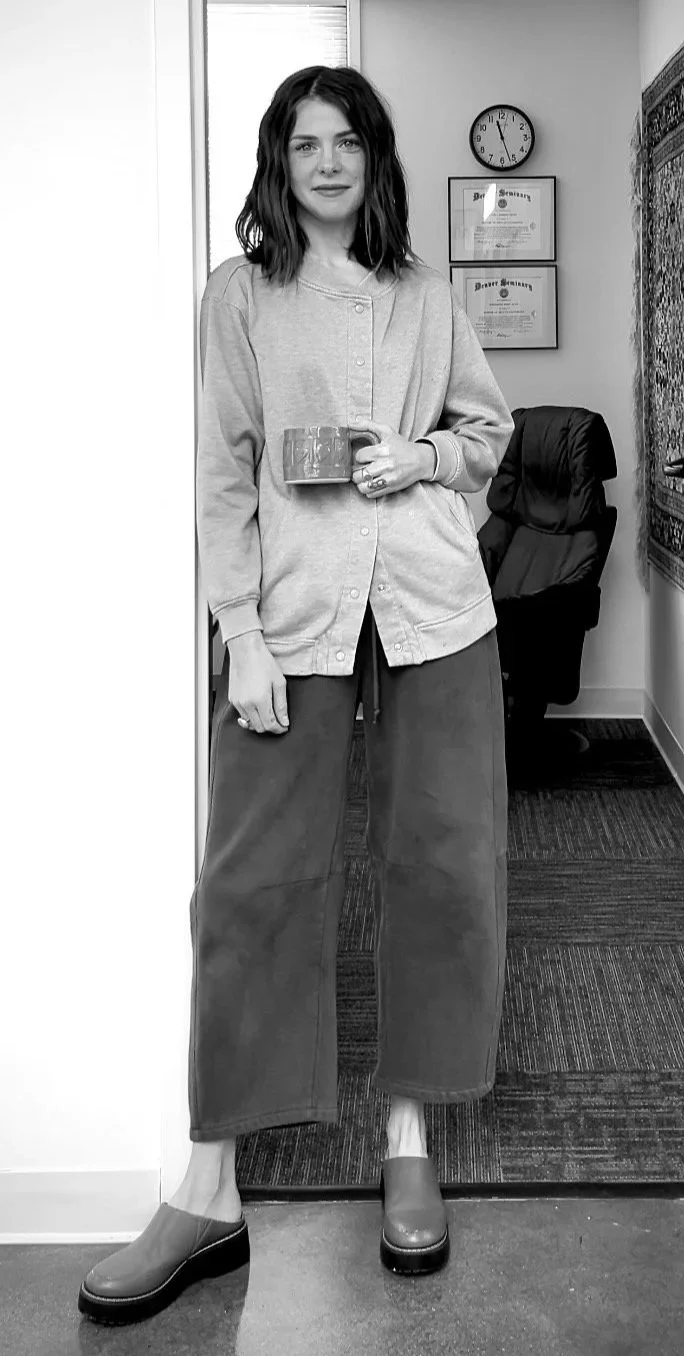
Hi there.
I’m Elizabeth…
Maybe you've already spent time trying to understand yourself — reading, reflecting, maybe even therapy before. You get why you feel the way you do. But— something still feels stuck.
That's not a failure. It just means insight alone hasn't been enough. That's where somatic and body-based therapy comes in.
I work with people who are thoughtful and self-aware, who are ready to feel grounded in their own skin, connected to what actually matters, and free from patterns that have been running the show. Using Somatic Experiencing® and EMDR, we work with your nervous system, so you're not just managing symptoms, you're healing at the root.
Whether you're brand new to therapy or you've been at this for years, if something here resonates, let’s connect. Or, see my About page to learn more about who I am.
-
Not exactly. I do integrate somatic work with nearly every client, because I believe lasting change usually involves the nervous system—not just insight. But it’s never one-size-fits-all.
I also incorporate EMDR and attachment-based therapy, which is grounded in talk therapy. Together, we’ll create a treatment plan based on your goals, your history, and what you feel ready to explore. Therapy should meet you where you are.
-
Well…I’d say that’s a great starting place and makes you a great candidate for body-based therapy. It’s very common to not know what you’re feeling, how to describe a sensation, or for the body to feel numb for the first few sessions.
Often, this is connected to the freeze response and an overwhelmed system. It’s ok, it’s totally normal, and I’d love to help you get back in your body so you can feel grounded and alive to your own experience.
-
Not sure if any of these make me different, but..
-I care deeply for my clients (and humanity as a whole)
-I never stop getting extra training and seeking outside consultation. I’m obsessed with learning about therapy and human beings.
-I keep a small caseload so I can provide the best care for my clients, and myself. This sometimes means I have a waitlist, but it’s what’s most sustainable for me and the level of service I want to provide.
-I have the world’s cutest therapy dog, who I bring to sessions sometimes.
-I really, really, love what I do for a living and I feel honored to sit with others in their learning journey.
-
I do not, but you may still be able to get partial reimbursement through your out-of-network benefits. Many clients are surprised to find their plan covers more than they expected. More details on how that works are on the Fees page.
As for why I practice this way — it's a decision every clinician has to make for themselves, and I don't take it lightly. Staying off insurance panels lets me keep my caseload small, invest in specialized training, and show up to each session with the time and attention the work actually requires. It also means I get to take care of myself, which I think matters for the quality of care I can offer you.
If cost is a real barrier, I'd encourage you to call the number on the back of your insurance card and ask specifically about your out-of-network mental health benefits before ruling it out.
-
In the first session, we’ll focus on getting to know each other and understanding your goals and concerns. We’ll start by discussing your current situation, any challenges you’re facing, or your personal history as it relates to your concerns. Note: I do NOT expect you to disclose details or anything you aren't ready to, but just give me a general idea if that feels better.
This is also a time for you to ask me any questions about myself or the therapy process, or how we can work together. The aim is to build a foundation of trust and begin crafting a plan that aligns with your needs and goals for therapy.
-
It’s collaborative, grounded, and deeply respectful of you and your nervous system. We pay attention not just to what you’re thinking, but to what’s happening in your body in real time.
Some clients come for a few months around a specific issue, while others stay for years because therapy has become a steady place to grow and evolve for them.
I won’t push you into overwhelming emotions—we go at your pace, which will build capacity for lasting change.
With couples, sessions are active and present-focused. I help you slow down patterns as they’re happening so each partner feels heard. I don’t take sides — I stay aligned with the health of the relationship.
FAQ

You and your partner will be guided toward creating a deeper emotional connection, which will result in understanding each other on a whole new level. Together, you can learn to heal your deepest attachment wounds, fulfill your unmet needs, and cultivate truly secure love. The goal of couple's work is the ability to show up as whole & fulfilled humans...for ourselves, for each other, and for the world.

You’ll connect more deeply with your emotions and bodily experiences, creating space to understand your inner world. Together, we explore how past relationships and experiences may shape your current emotions and reactions. This process helps release old emotional wounds and develop healthier, more secure ways of relating to yourself and others, fostering emotional freedom, resilience, and self-compassion.
Hey, one more thing…
Whoever you decide to work with in therapy, I truly wish you the best. Finding a therapist can be a lot of work, but I want to encourage you to keep going! I know what it’s like to be on your end—and taking that step has made all the difference.