

EMDR Therapy in Colorado Springs
In-person and online throughout Colorado
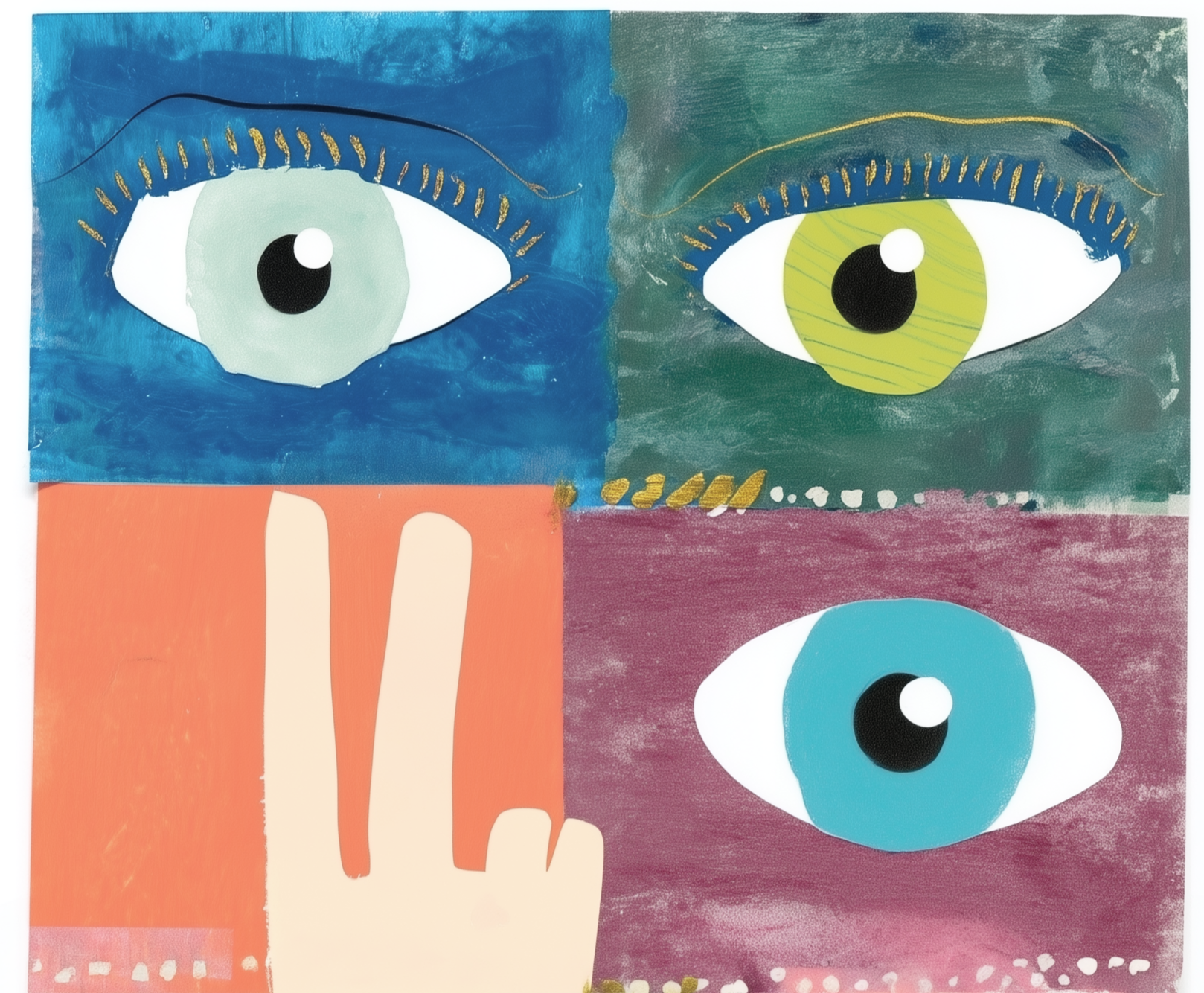
What is EMDR Therapy?
EMDR works by engaging both sides of your brain through rhythmic, side to side (bilateral) stimulation while you hold a distressing memory in mind. This bilateral stimulation (usually by eye movements going side to side — eyes following my hand motions) mimics something your brain does naturally during REM sleep to process and integrate the day's experiences. EMDR essentially helps your brain do what it wasn't able to do the first time around: fully process and file the memory so it stops running like an open tab in the background.
What changes isn't the memory itself — you'll still know what happened. What changes is how much charge it carries. The image becomes less vivid, or activating. The body sensations settle. The belief that formed around it ("I'm not safe," "I'm too much," "I should have done something") starts to loosen and update to reality.
EMDR stands for Eye Movement Desensitization and Reprocessing. The idea behind it is actually pretty intuitive once you understand what's happening in your brain. I’ll explain:
When something overwhelming happens (trauma) — whether it's a single event or years of accumulated stress — your brain sometimes can't fully process it in that moment. The memory/ event gets stored in a fragmented way, along with the images, the body sensations, the emotions, and the beliefs about yourself that formed from that event. The memory didn’t get filed away neatly. It stays "on," or like an open file folder in your mind and body. This is why certain situations can pull you right back into a reaction that feels way bigger than the present moment warrants—because the file never got closed, it’s still open and “present” as far as your nervous system sees it, at least.
What actually happens in an EMDR session?
EMDR isn't something that happens to you while you zone out. You're an active participant, and you're always in control of the pace and where we go with it. This is roughly how it looks:
Building a foundation Before we do any processing, we spend time on history and preparation. I want to understand what brings you in and how your nervous system tends to respond. I’m looking for what helps you feel settled/ grounded and what tends to activate you. We'll build some internal resources together so that when we start working with difficult material, you have some good coping strategies.
Identifying targets We'll identify specific memories, experiences, or patterns to work with. Sometimes it's a clear event. Sometimes it's more of a felt sense — a recurring reaction that keeps showing up for you — and we work backward from there. You don't need a dramatic story or a single defining moment (although that is obviously welcome, too). Many people I work with have more of an accumulated picture: a pattern that built slowly rather than something specific they can point to. Like, 1000 paper cuts vs. a specific wound. Think: chronic stress, neglect, or abuse vs. an event you specifically remember. Sometimes it is a specific memory or event, though.
The processing itself This is the part that seems weird at first. You'll hold in your mind an image, a body sensation, or a belief (loosely, not intensely) while following my hand with your eyes. We go in sets, pausing between each one so you can notice what's shifting. Some people have images come up. Some get body sensations. Some just feel the emotional charge slowly drain out of the target memory. There's no right way for it to happen.
Closing and integrating We always end sessions in a grounded place. Processing doesn't stop when you leave, because your brain keeps integrating between our sessions. So, I'll check in on what came up during the week before we start each new session and go from there.
What does EMDR help with?
EMDR has the strongest research base for PTSD and trauma, but it's effective for a much broader range of experiences:
Anxiety and panic
Grief and loss
Relational patterns and attachment wounds
Single-event trauma (accidents, assaults, medical events)
Chronic or complex trauma — ongoing stress, difficult childhoods, years of feeling not quite okay
Phobias
Performance anxiety
Shame and low self-worth
One thing worth saying is: you don't need a capital-T Trauma diagnosis to benefit from EMDR. A lot of what I see in my office is people who have never experienced anything that "counts" as trauma in the clinical sense — but who carry patterns in their body and nervous system that are getting in the way. EMDR can work with that too.
How is EMDR different than talk therapy?
Talk therapy is so valuable. It builds insight, helps you develop language for your experience, and the relationship with a good therapist is itself healing. I could never dismiss it — I use it everyday.
But insight does have limits. You can understand something completely but still feel the same way as before. That's because the part of your brain that stores traumatic or overwhelming experiences (the part that's driving the reactions, the body sensations, the sleeplessness) isn't particularly moved by narrative. This is because the survival part of our brain (amygdala) developed before the narrative part of our brain. It doesn't respond well to being talked at.
EMDR works more directly with where the material is actually stored. It's less about the story and more about the nervous system charge underneath it. For a lot of people, that's the piece that's been missing in talk therapy.

Contact